Why the material matters more than you think
Most brands start with the artwork, but the material underneath it decides almost everything else: how well the product survives shipping, how premium the box feels in the hand, how sharp the print looks and how much each unit costs.
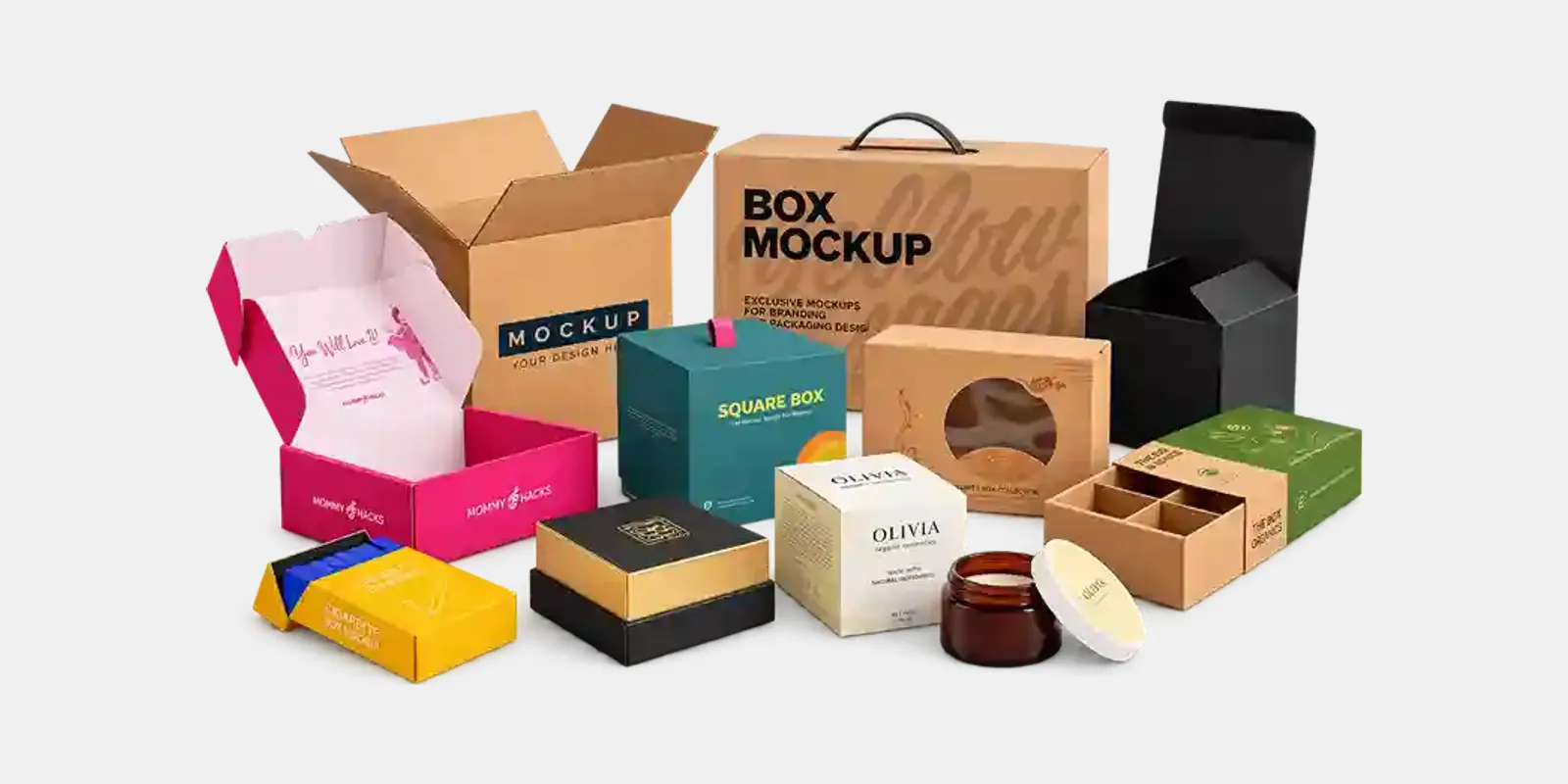
Choosing the wrong board is the most common reason packaging gets reordered. A box that is too thin crushes in transit; one that is too heavy wastes money on every unit. Here is how the four main options compare.
1. Cardboard (paperboard / cardstock)
Cardboard — often called SBS or cardstock — is a single, smooth sheet of board between 14pt and 24pt thick. It takes print beautifully, folds cleanly and is the standard for retail cartons.
- Best for: cosmetics, skincare, candles, CBD tinctures, food cartons and supplements.
- Strengths: crisp full-colour printing, low cost per unit, works with every finish.
- Watch out for: it is not designed to be a shipping box on its own.
2. Corrugated board
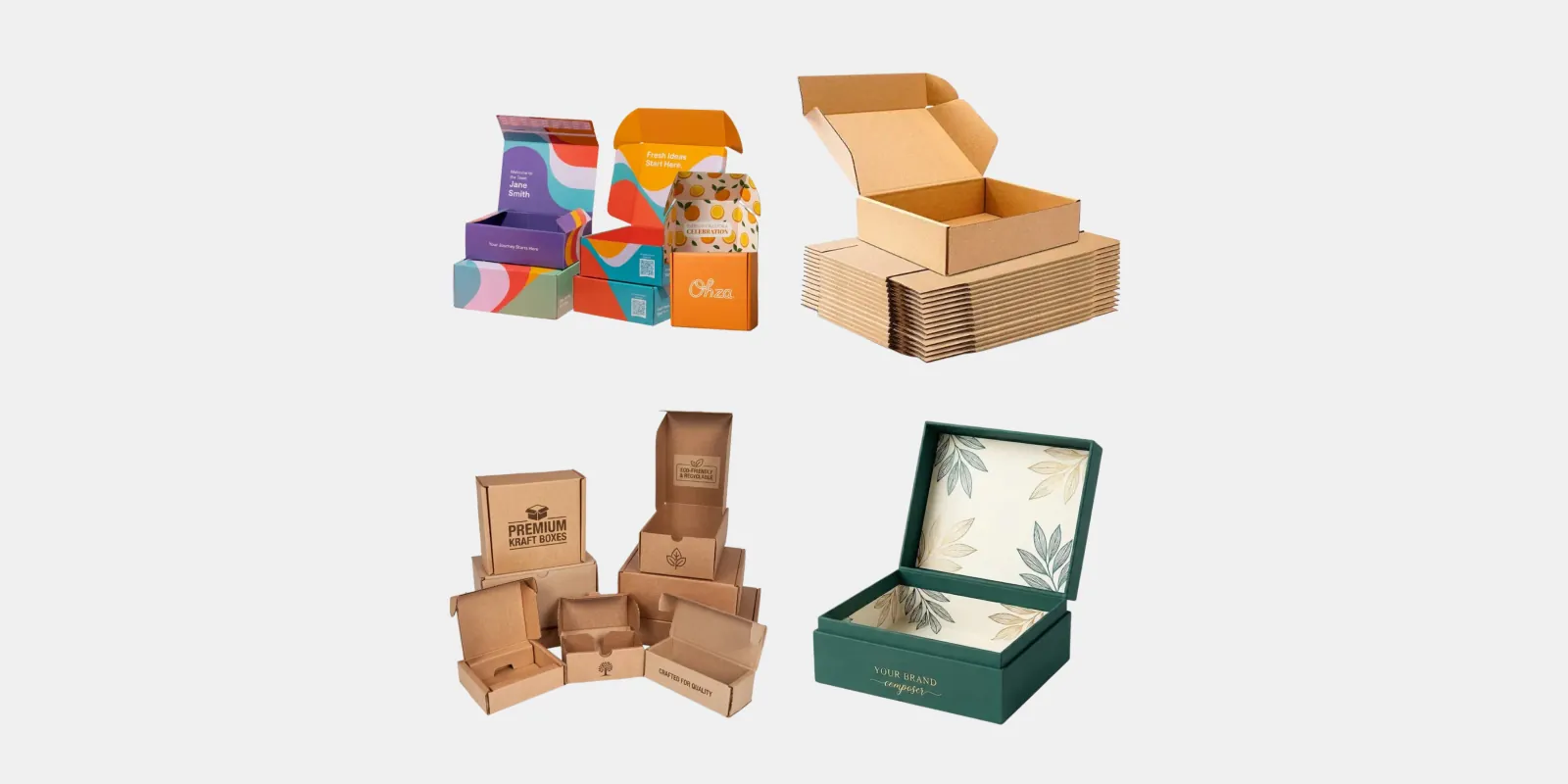
Corrugated board sandwiches a fluted layer between two liners, which makes it far stronger for its weight. E-flute is thin enough to print on directly and is the go-to board for mailer boxes; B-flute and double-wall grades are used for heavier shipping cartons.
- Best for: mailer boxes, subscription boxes, e-commerce shipping and heavy or fragile products.
- Strengths: crush resistance, stacking strength, protection in the mail.
- Watch out for: very fine detail prints slightly softer than on smooth cardboard.
3. Kraft paper
Kraft is unbleached board with a natural brown colour and visible fibres. It instantly signals “natural” and “eco-friendly”, which is why it is popular with food, soap and organic brands. Kraft is available as both a folding board and a corrugated liner.
- Best for: bakery, soap, tea, coffee, organic food and sustainable brands.
- Strengths: recyclable, earthy look, food-safe grades available.
- Watch out for: colours print darker on brown board — use white ink underneath for bright colours.
4. Rigid chipboard
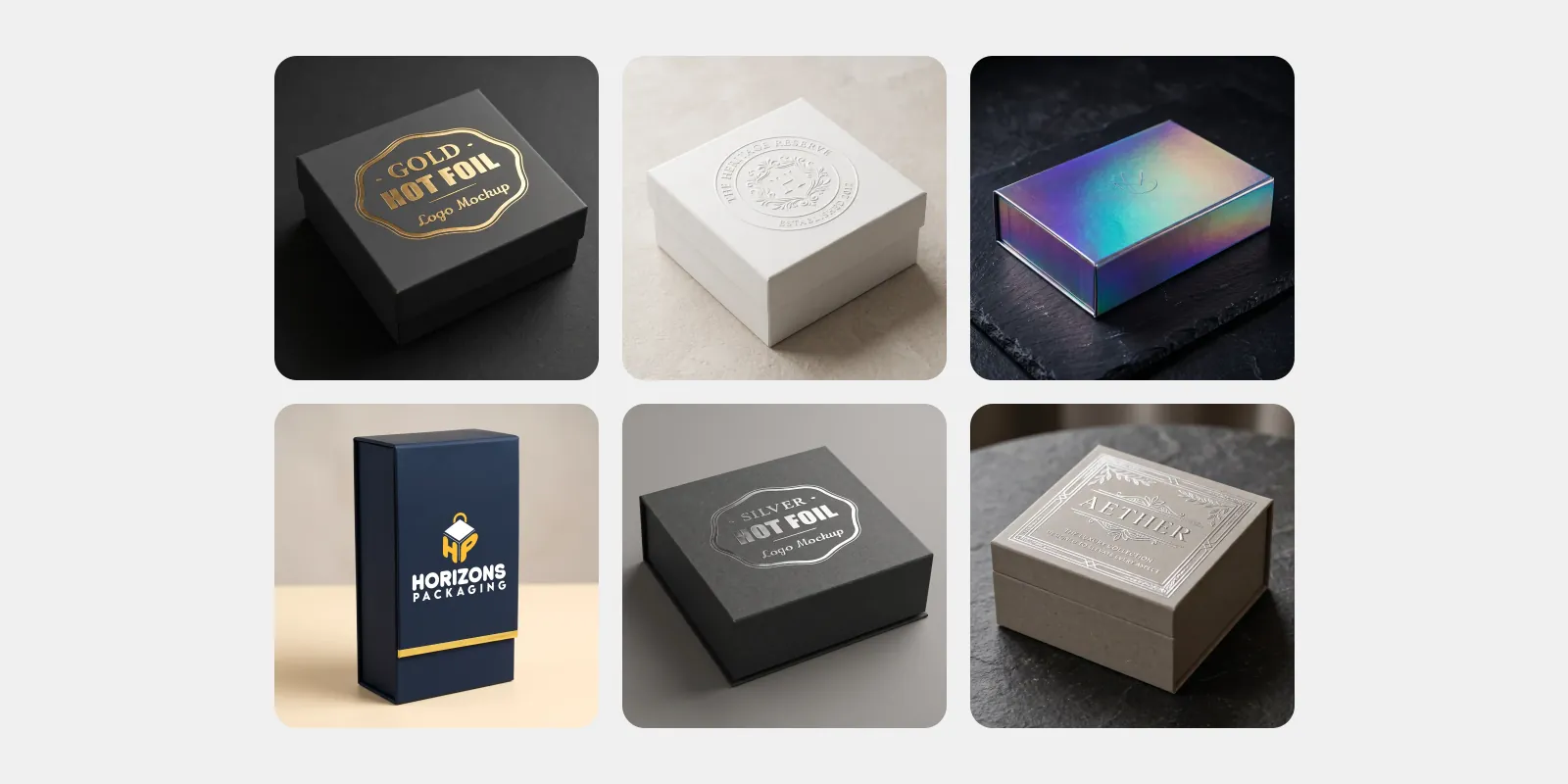
Rigid boxes are built from thick chipboard (typically 36pt–120pt) wrapped in printed paper. They do not fold flat and they do not bend — which is exactly why they feel luxurious.
- Best for: jewellery, watches, perfume, premium gifts, electronics and PR kits.
- Strengths: a premium, keepsake feel; magnetic, drawer and two-piece lid styles.
- Watch out for: higher unit cost and more space in shipping, as they are delivered assembled.
Quick rule of thumb
If the box sits on a shelf, start with cardboard. If it goes through the mail, use corrugated. If your brand story is natural or sustainable, choose kraft. If the packaging is part of the gift, go rigid.
Still unsure? Send us your product and its weight — our specialists will recommend a board and thickness, and can send a physical sample before you commit.